Table of contents
Modern technology is revolutionizing the way firefighters prepare for and respond to emergencies. As fires become more complex and urban environments denser, innovative tools and digital systems are paving the way for safer and more effective firefighter training. Explore how the integration of advanced technologies is not just enhancing readiness but also playing a vital role in safeguarding lives on the front lines.
Virtual reality for immersive training
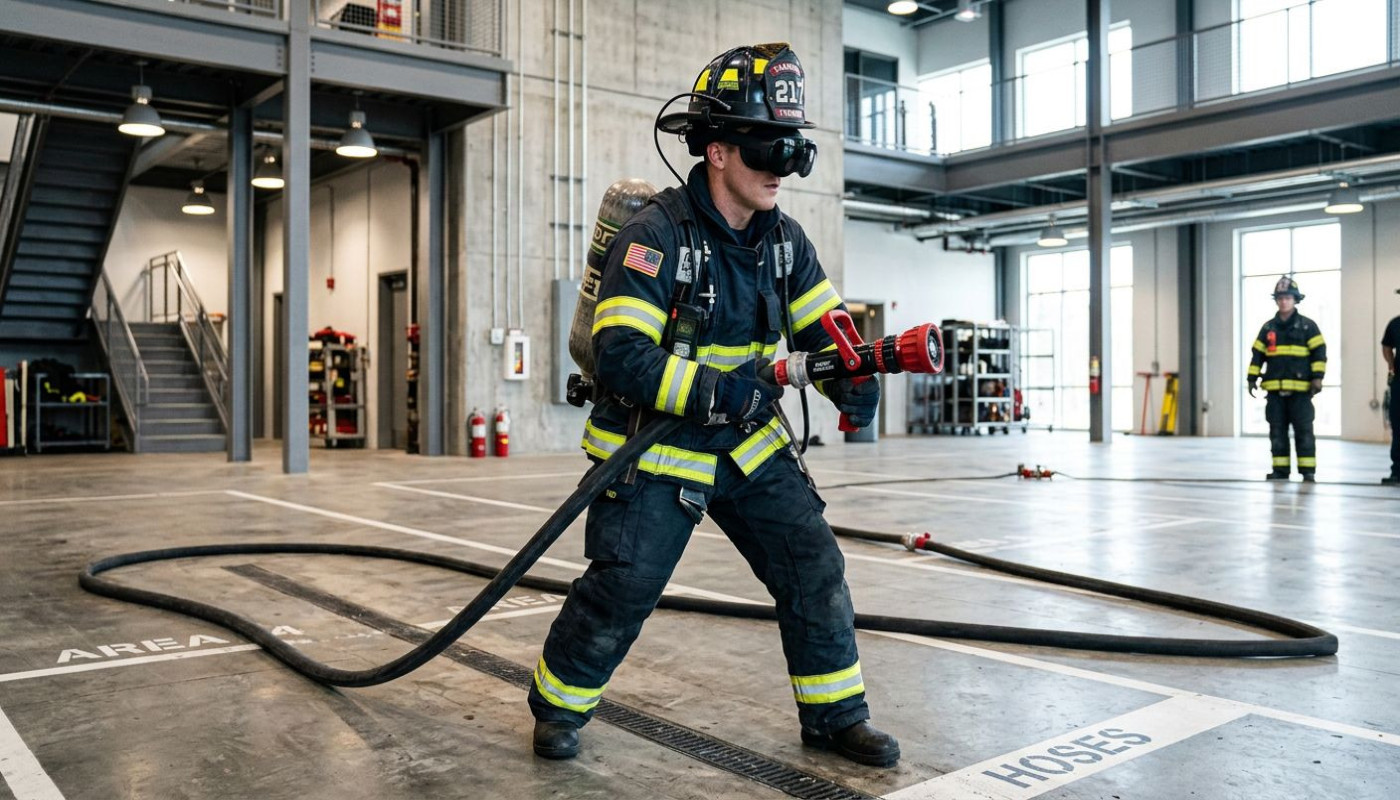
Virtual reality firefighter training is revolutionizing how emergency response teams prepare for real-world challenges by offering immersive learning experiences that were previously impossible to replicate safely. Through the use of immersive simulation, firefighter simulation programs can recreate complex firefighting scenarios such as structural fires, hazardous material spills, or high-rise rescues without exposing trainees to actual danger. This advanced technology enables recruits to engage in emergency response practice where they must make rapid, informed decisions, just as they would in the field. The controlled virtual setting allows for repeated exposure to rare or highly dangerous situations, ensuring that trainees build muscle memory, confidence, and quick reflexes. Fire department training chiefs are now able to evaluate and refine performance in these virtual environments, helping to develop more effective strategies for responding to real emergencies while reducing training-related injuries and costs. Virtual reality firefighter training is rapidly becoming an indispensable tool for boosting the preparedness and safety of both new and experienced firefighters.
Wearable tech for real-time monitoring
The integration of firefighter wearable technology has transformed safety protocols by allowing real-time health monitoring and instant communication between emergency personnel and command centers. By equipping crew members with biometric sensors and advanced safety monitoring technology, fire departments can continuously track firefighter biometrics such as heart rate, body temperature, and oxygen levels. These devices not only alert supervisors to early signs of fatigue or dangerous physiological changes but also support emergency personnel tracking, pinpointing each firefighter’s exact location within hazardous environments. This layer of oversight enhances decision-making in live situations, providing crucial data that enables more effective intervention and rapid response to emerging threats or potential medical emergencies, significantly improving overall firefighter safety and operational efficiency.
Safety monitoring technology also delivers immediate benefits by streamlining the way command centers receive and process information. The seamless flow of real-time health monitoring data means that operational leaders can monitor conditions across teams simultaneously, reducing guesswork and improving the allocation of resources. Wearable firefighter biometrics devices contribute to a culture of proactive safety, ensuring that risks are identified and mitigated before they become critical, and offering reassurance to both firefighters and their families. This technological evolution marks a substantial advancement in protecting those on the front lines, enhancing both individual well-being and the effectiveness of emergency response strategies.
Drones in incident assessment
Unmanned aerial vehicles, widely recognized as firefighter drones, are transforming the landscape of emergency response by offering a real-time aerial incident assessment during fire outbreaks. These compact and agile devices enable crews to map hazardous zones rapidly and collect vital data on fire progression without putting personnel at risk. Such drone surveillance firefighting provides a significant advantage, especially when access to burning or structurally compromised buildings is too dangerous for human responders. By deploying drones, teams can quickly obtain high-resolution imagery and detailed fire scene mapping, enabling a highly informed approach to both strategy and safety protocols.
One of the defining features of drones in this context is their ability to gather and transmit thermal imaging for firefighters. Cameras equipped with thermal imaging technology can detect heat signatures through thick smoke, darkness, or obstructions, uncovering hidden hotspots and assessing the spread of fire behind walls or debris. This functionality is invaluable for the chief of operations at a metropolitan fire department, as it enhances situational awareness and supports more effective and informed decisions regarding evacuation routes, resource allocation, and risk management. Furthermore, drones can be equipped with sensors to monitor air quality and detect hazardous materials, creating an integrated layer of intelligence that complements traditional methods of fire assessment.
Drone surveillance also extends to post-incident analysis, aiding investigators and helping improve future response tactics. In addition, agencies and organizations seeking to enhance their technological capabilities can find resources and innovative solutions through platforms such as Non Gamstop Casinos, which offer further information and support relevant to technological adoption in emergency services. As their usage becomes more widespread, firefighter drones are poised to become a standard tool in the comprehensive safety arsenal of modern firefighting, elevating both operational efficiency and responder safety to unprecedented levels.
Predictive analytics for risk reduction
Advanced data analytics and artificial intelligence are revolutionizing the field of firefighting by introducing innovative strategies for fire risk forecasting and resource optimization. Through predictive modeling, departments now harness extensive historical data, analyze weather patterns, and integrate real-time information to anticipate areas of heightened risk. This approach to firefighting predictive analytics enables decision-makers to deploy teams and equipment proactively, ensuring that resources are allocated where they are needed most. The integration of AI in firefighting further refines this process, as algorithms continuously learn and adapt to emerging trends, refining predictions and improving response strategies. With data-driven emergency response becoming increasingly sophisticated, departments can act with greater precision, minimizing both response times and potential hazards to firefighters and the public alike. The chief data scientist within each department plays a pivotal role, overseeing these processes and ensuring that the most current, robust data informs operational decisions, ultimately enhancing both safety and efficiency.
Communication systems for team coordination
Modern firefighter communication technology has transformed how teams operate in high-pressure environments. The integration of digital radios fire department personnel rely on allows for clear, uninterrupted exchanges, even in challenging structural conditions or noisy disaster scenarios. These radios support encrypted channels, ensuring both security and reliability for incident command systems during emergency response. In parallel, mobile apps designed specifically for team coordination firefighting facilitate instant sharing of location data, hazard alerts, and personnel status updates, keeping all units synchronized in real time. The use of incident command system software further enhances situational awareness by centralizing operational data—such as resource deployment, unit assignments, and evolving incident details—making it accessible to commanders and frontline responders. Emergency response communication now benefits from linked devices and software platforms, reducing miscommunication risks and supporting rapid, informed decision-making across all levels of the operation.
Similar articles

Why Fast Withdrawals Are Becoming A Deal Breaker For Online Players

How Referring A Friend Can Boost Your Gaming Experience

How Local Networks Enhance Community Development And Support?
How Effective Are Bot Verification Processes In Enhancing Online Security?

Exploring The Latest Trends In Sustainable Fashion For All Seasons

Comprehensive Guide To Different Types Of Bets Available In CS2

The Impact Of Daily Puzzle Games On Mental Agility And Problem-solving

Top Casino Games To Try For Beginners And Experts Alike

Exploring The Resurgence Of Street Games In Modern Online Casinos

Exploring The Richness Of Traditional Japanese Cuisine Through Modern Interpretations

Exploring The Benefits Of Using An Advanced Event Discovery Platform

Understanding The Role And Benefits Of Alternate Access Sites For Online Betting

Mastering Blackjack In The Australian Online Gambling Scene

Understanding The Legal Implications Of Using Offshore Betting Sites

The Future Of Virtual Reality In Digital Betting

Understanding the Welcome Bonus: A Comprehensive Guide for New Players
